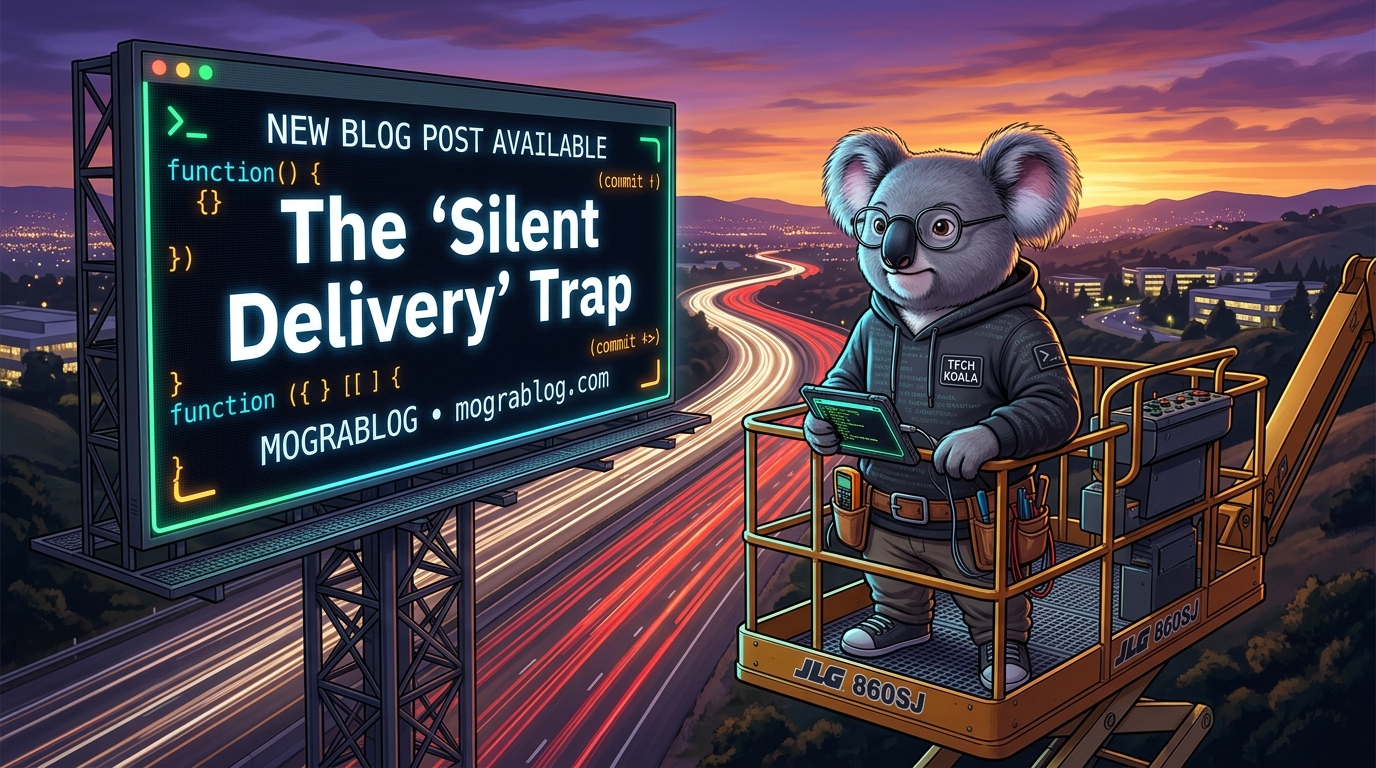
The 'Silent Delivery' Marketing Trap and Changelog-Driven Growth
How can your marketing make the most of your engineering deliveries? Inspired by Richard Rumelt's Good Strategy/Bad Strategy and modern changelog culture, here is how departmental coherence turns continuous shipping into your best marketing.
I was reading Richard Rumelt’s classic book, Good Strategy/Bad Strategy: The Difference and Why It Matters, and a passage in Chapter 15 (Putting It Together) immediately stopped me in my tracks:
“Compared to a competitor working on an eighteen-month cycle, Nvidia’s six-month cycle would mean that its chip would be the better product about 83 percent of the time. Plus, there is the constant buzz surrounding new product introductions, a substitute for expensive advertising.”
— (Featured in my Book Quotes collection)
I found this quote deeply inspiring because I have run into this exact tension in almost every startup I have ever been part of.
NOTE
TL;DR: The Key Takeaways
- It’s not “work faster,” it’s “stop the silence”: Engineering is already building value. The mistake is burying that progress inside closed PRs and commit logs.
- Strategy through Coherent Action: In Good Strategy/Bad Strategy, Richard Rumelt shows that true strategic power comes from actions that complement each other across departments. When marketing taps directly into what engineering is already delivering, both teams multiply their impact.
- Replace expensive ads with continuous truth: When marketing communicates real, iterative deliveries (via changelogs and product updates), you build authentic credibility that no paid ad campaign can buy.
The Cost of the Disconnect
In almost every startup I’ve worked at, engineering shipped steady improvements while marketing operated in an isolated silo.
When marketing isn’t plugged into what engineering is actually delivering, everyone loses:
- Engineering feels invisible: We poured weeks into real fixes and performance wins, only for nobody outside our GitHub repo to notice. It felt like shipping into a void.
- Marketing is forced to invent hype: Without a steady feed of real product deliveries, marketing leans on abstract messaging and paid ads—missing the genuine progress happening right under their nose.
- Users assume stagnation: If users don’t see public evidence of progress, they assume the product is abandoned, even if the team is committing code every single day.
Look at Your Feed: Claude, Cursor, and “Insignificant” Updates
Rumelt used Nvidia’s 6-month release cadence in the late 1990s to illustrate this, but we don’t need to look back decades to see it in action. We see it dominating tech feeds right now with tools like Claude (Anthropic / Claude Code) and Cursor.
Open Twitter/X, LinkedIn, or Reddit, and the developer conversation is perpetually flooded with posts about them.
If you look closely at what people are sharing, a huge portion of these updates are largely insignificant:
- A minor keyboard shortcut tweak.
- A subtle change in how diffs or inline edits render.
- A tiny latency improvement or small prompt tweak.
- A fix for an edge-case terminal glitch.
The marketing teams behind these products moved away from the “wait until we have a big launch” mentality and tapped directly into what engineering is already shipping.
By celebrating even the smallest improvements, they achieve everything marketing strives for:
- They create constant community buzz: Users, influencers, and developers actively test, screenshot, and debate every tweak.
- They build unstoppable brand recognition: Claude and Cursor remain permanently top-of-mind. You cannot scroll through your feed without being reminded that their teams are shipping every day.
- They directly answer marketing’s needs: Marketing gets an endless stream of authentic, high-converting content—building trust and engagement without spending a dime on paid ad campaigns or PR firms.
To see this in action, look at a recent developer post on X. Anthropic didn’t announce a radical new product—it was just a routine update that Code Review was moving to General Availability with faster speeds. Yet it immediately triggered this community meme:
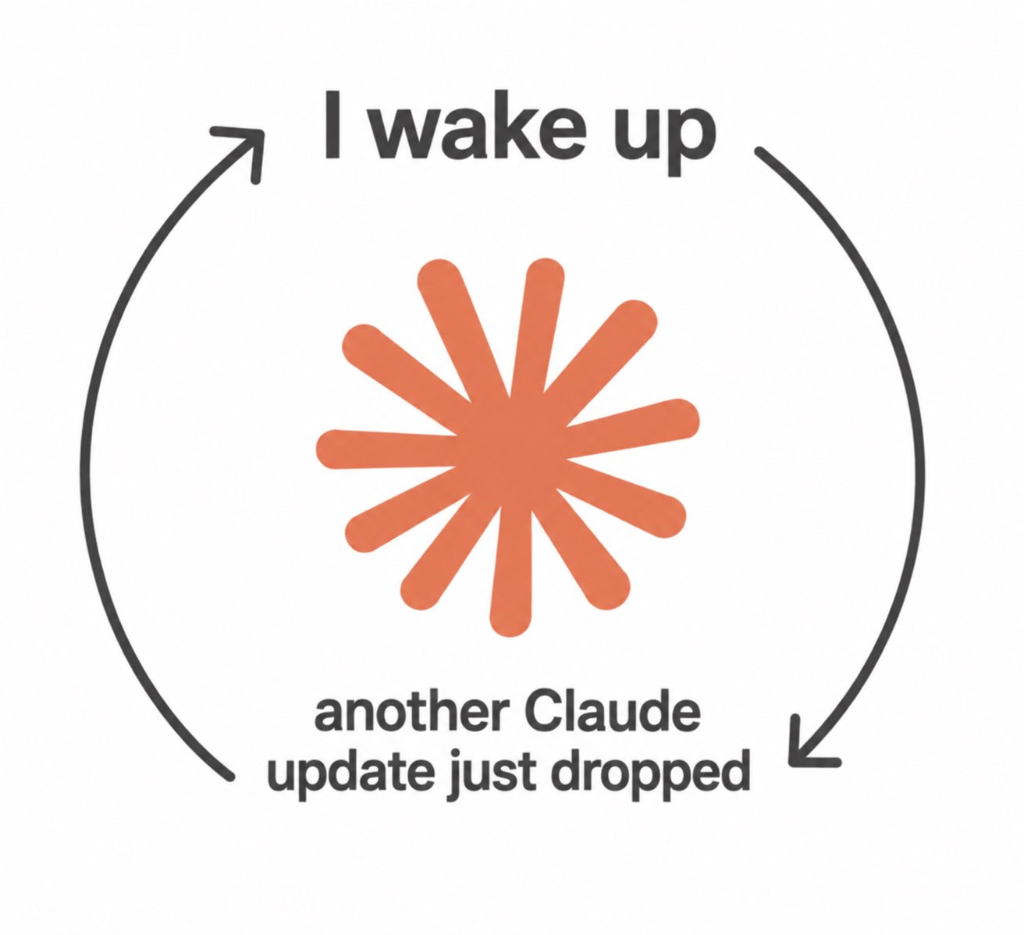
“I wake up ➔ another Claude update just dropped” (via @KhalidDevLog)
When your release cadence becomes an organic meme in the community, you don’t need paid ads—the perceived momentum does the selling for you.
Crucially, it doesn’t have to be “one and done.” A single engineering change can easily yield multiple posts across different formats and angles:
- The changelog entry: A clear, concise bullet point in the release log.
- The 15-second demo: A quick screen recording or GIF showing the before vs. after.
- The workflow tip: A short post showing power users how to incorporate the tweak into their daily routine.
- The behind-the-scenes story: A brief note from the engineer on the tricky bug or customer conversation that sparked the fix.
One small code change becomes three or four natural touchpoints across X, LinkedIn, Discord, and newsletters—all without asking engineering to build something massive from scratch.
Where Product-Led Growth (PLG) Meets the Changelog
Traditional Product-Led Growth (PLG) has a blind spot: it treats software as a static snapshot. If a developer bounces today because a feature was missing, automated “We miss you!” emails won’t bring them back.
This is where Changelog-Led Growth completes the picture:
- PLG is the product’s state at a single point in time, P(t): It asks, “Does this solve my immediate problem right now?”
- Changelog-Led Growth is the first derivative, dP/dt (velocity): It asks, “At what speed is this team improving?”
“In developer tools and B2B SaaS, buyers don’t just purchase what your software does on day one; they are taking a bet on where it will be in six months.”
A transparent, high-cadence changelog gives dormant users a genuine reason to re-engage, builds immense trust that bugs get squashed in days rather than quarters, and turns early adopters into passionate evangelists.
PLG provides the self-serve vehicle, but your changelog provides the compounding fuel.
Conclusion: What I Took Away
To me, the big insight isn’t about demanding that engineers work faster or push harder. It is to stop letting solid engineering work die in silence.
When marketing breaks out of its silo and taps into what engineering already ships every week, your release notes become your marketing, your changelog becomes your retention engine, and your everyday delivery becomes your greatest competitive moat.
What do you think? In your startup or team, does marketing tap into what engineering ships, or do you still see the silent delivery trap? Let me know in the comments below!